The Dance of Letters: Using Michelle Stine Script in Modern Design
The Art of Elegant Movement
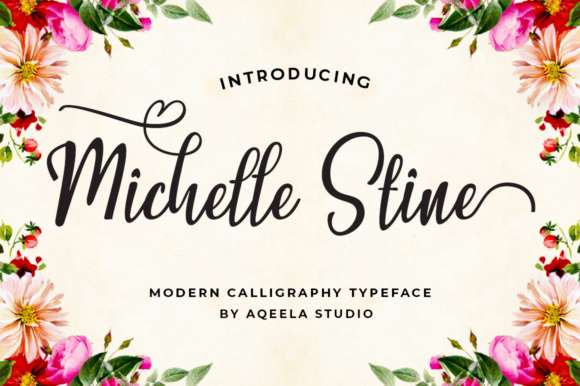
Finding a typeface that truly captures personality can be a challenge, especially when you need something that feels both personal and professional. Michelle Stine Script solves this problem by offering a distinct visual rhythm. It is not just another standard script font; it is a typeface defined by its fluid, dancing baseline. This means the letters do not sit in a rigid, straight line. Instead, they bounce and flow, creating a natural, handwritten appearance that feels alive.
As a premium font, it moves away from the rigid geometry of a sans serif font or the structured feet of a serif font. Instead, it embraces the irregularities of hand lettering. The connections between letters are smooth, and the varying heights of the lowercase characters give it a sophisticated, organic vibe. This modern typography approach makes it an excellent creative font for anyone looking to add a touch of elegance without sacrificing legibility. It captures the essence of a handwritten font but polishes the edges just enough to work in commercial settings.
Strategic Applications for Your Brand
Understanding where to use a font like Michelle Stine Script is just as important as liking how it looks. Because it is classified as a display font, it shines brightest when used for headlines, logos, and short bursts of text rather than long paragraphs. Its primary strength lies in brand identity. If you are building a brand that values connection, warmth, or luxury, this typeface can become a cornerstone of your visual language.
Logos and Branding
For logo design, the dancing baseline of Michelle Stine Script creates a memorable mark. It works exceptionally well for lifestyle brands, boutique clothing lines, florists, and wellness companies. When a potential customer sees this font, they immediately associate the brand with a human touch. It suggests that there is a real person behind the business, which builds trust. However, for logo design, it is crucial to ensure the font is legible at small sizes. Test it on a business card mockup before finalizing.
Digital and Social Media
In the realm of web design and social media graphics, attention spans are short. You need a typeface that grabs the eye instantly. Michelle Stine Script works beautifully for Instagram quotes, Pinterest pins, and website hero images. It adds personality to a feed that might otherwise look generic. For web design, consider using it for your H1 headers or specific call-to-action buttons to draw the user's eye exactly where you want it to go.
Print and Packaging
Physical products benefit greatly from this style of typography. In packaging design, the font can convey the quality of the product inside. Imagine it on a coffee bag, a candle label, or a cosmetic box. It elevates the perceived value of the item. Furthermore, for editorial design, such as magazine covers or chapter headings, it provides a nice contrast to a clean body text, helping to establish a strong visual hierarchy.
Mastering Font Pairing and Hierarchy
One of the most practical skills in design is learning how to combine typefaces. Michelle Stine Script is a script font, which means it has a lot of personality. If you pair it with another highly decorative font, the result will be chaotic and unreadable. The golden rule here is contrast.
To create a balanced design, pair Michelle Stine Script with a neutral, geometric sans serif font. The clean lines of the sans serif will act as a resting place for the eyes, allowing the script font to be the star of the show. Alternatively, you can pair it with a classic, readable serif font for a more traditional, editorial look. When setting up your font pairing, use the script for the main headline and the neutral font for the subheadline and body copy. This creates a clear path for the reader, improving readability and audience engagement.
Practical Considerations for Designers
Before integrating Michelle Stine Script into your workflow, there are a few technical and practical factors to consider. As a designer or business owner, you want to ensure that your design assets are versatile and legally sound.
- Commercial Licensing: Always verify the license of the commercial font you are purchasing. Ensure it covers your specific usage, whether that is for physical merchandise (print) or digital products (web). Most premium licenses cover both, but it is always best to check.
- Testing for Legibility: While the font is beautiful, test it in the specific context where it will be used. A font that looks great on a desktop screen might look muddy on a mobile device if the size is too small. Use your own eyes rather than just relying on the default size.
- Reviewing Glyphs and Alternates: High-quality fonts often come with stylistic alternates or swashes. Explore the glyph panel in your design software. Michelle Stine Script likely includes different versions of letters that allow you to customize the flow of your text, making your typography feel even more unique.
- Spacing and Kerning: Because of the "dancing" baseline, you may need to manually adjust the tracking (letter spacing) or kerning. The irregular shapes of script letters can sometimes leave awkward gaps or collisions. Taking a few minutes to fix these details separates amateur work from professional graphic design.
Final Thoughts on Implementation
Ultimately, Michelle Stine Script is more than just a creative font; it is a tool for storytelling. It allows entrepreneurs, marketers, and content creators to infuse their work with a sense of authenticity. Whether you are designing a wedding invitation, a t-shirt line, or a corporate brand refresh, this typeface offers the flexibility and elegance required to stand out in a crowded market.
By treating it as a strategic asset rather than just a decorative element, you can leverage its unique dancing baseline to capture attention and communicate your message with style. It is a reminder that in the world of modern typography, the details of how letters interact with one another can make all the difference in how your brand is perceived.