The Elegance of Minimalist Script in Modern Design
There are moments in design when a typeface does more than just display words; it communicates a feeling instantly. Minimalist Script is one of those rare creative assets. It captures the effortless sophistication of Italian calligraphy while maintaining a clean, contemporary edge. If you have ever browsed a high-end fashion magazine or admired the branding of a luxury boutique, you have likely seen a font like this. It doesn’t shout for attention; instead, it draws the viewer in with its fluid connections and balanced weight. For designers, entrepreneurs, and content creators looking to elevate their work, understanding how to wield this specific style of script font is a game-changer.
The Visual Personality of Minimalist Script
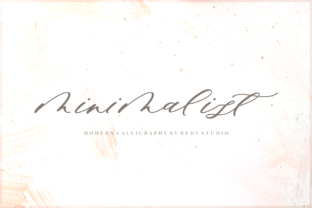
At its core, Minimalist Script is a premium font that bridges the gap between traditional handwritten fonts and modern typography. The "Italian feel" mentioned in its description refers to the elegant, flowing nature of the strokes. Unlike a rough, casual handwritten font that mimics a ballpoint pen, this typeface features refined swashes and smooth curves that suggest a steady, artistic hand. It is designed to look expensive without being over-complicated.
The visual characteristics rely heavily on contrast and spacing. The letters often feature varying stroke widths, mimicking the pressure applied by a real calligrapher’s nib. This gives the text a rhythmic quality that feels alive on the page or screen. However, true to its "minimalist" name, it avoids the excessive loops and illegible flourishes that plague many script fonts. It strikes a delicate balance: it is ornate enough to be a display font, yet clear enough to be functional in short-form copy.
When you look at a word set in Minimalist Script, you aren't just reading a label; you are interpreting a brand identity. The font exudes confidence. It implies that the product or service behind it values quality and attention to detail. This is why it is often found in the toolkits of brand strategists working with luxury goods, high-end services, and lifestyle brands.
Real-World Applications: Where to Use This Typeface
Knowing a font looks good is one thing; knowing where to apply it is the practical skill that separates an amateur from a professional. Minimalist Script excels in specific environments where elegance and readability intersect.
Packaging and Product Design
In the world of packaging design, shelf appeal is everything. This font is a perfect candidate for labels on cosmetics, artisanal foods, wine bottles, or stationery. Because it is a premium font, it immediately signals value to the consumer. Imagine a matte black box with "Thank You" printed in a soft gold foil using Minimalist Script. That simple combination creates a memorable unboxing experience. It works best for the product name or a short tagline, rather than the ingredients list or legal copy, where a clean sans serif font is required for legibility.
Logo Design and Brand Identity
For businesses in the fashion, beauty, wedding, or interior design industries, this typeface can serve as a powerful logomark. It is particularly effective for monograms or wordmarks. Because it is a script font, it pairs beautifully with a structured serif font or a geometric sans serif font. For example, using Minimalist Script for a bakery’s name, paired with a tall, thin sans serif for the "Est. 2024" subtitle, creates a visual hierarchy that is both sophisticated and easy to scan. This font choice helps build a consistent brand identity that feels cohesive across business cards, letterheads, and storefront signage.
Digital Media and Web Design
In the digital space, restraint is key. You should avoid using Minimalist Script for body text or blog posts, as long paragraphs in script fonts cause eye strain and hurt SEO performance due to poor readability. Instead, use it strategically. It is excellent for hero images, email headers, or pull quotes. On social media graphics, it acts as a "stopper"—a visual element that halts the scroll. A fitness coach might use a bold sans serif for the workout instructions but overlay Minimalist Script for the motivational quote. This contrast makes the graphic dynamic and engaging.
Editorial and Print Design
Publishers and bloggers can use this font to add a touch of humanity to their layouts. In editorial design, script fonts are often used for "drop caps" (the large letter at the start of a chapter) or chapter titles. It breaks up the monotony of standard text and guides the reader's eye. If you are designing a wedding invitation, a menu for a high-end restaurant, or a magazine cover, this font provides the necessary upscale aesthetic.
Design Strategy and Font Pairings
One of the most common mistakes in using a creative font like Minimalist Script is failing to pair it correctly. Because the font has a strong personality, it can easily overwhelm a design if not balanced.
The golden rule of typography applies here: contrast is king.
Do not pair Minimalist Script with another decorative font or a complex handwritten font. The result will look chaotic and unprofessional. Instead, ground it with something sturdy and neutral.
- With Serif Fonts: Pairing it with a classic serif font (like a Garamond or a modern transitional serif) creates a look that feels traditional, academic, and timeless. This works well for book covers or formal event invitations.
- With Sans Serif Fonts: Pairing it with a clean sans serif font (like Helvetica, Futura, or Montserrat) creates a modern, high-fashion look. This is the go-to pairing for web design, tech startups with a lifestyle angle, and contemporary branding.
When deciding on the size, treat Minimalist Script as an accent. It usually looks best when it is significantly larger than the supporting text. This size difference reinforces the visual hierarchy, ensuring the viewer reads the most important emotional hook (the script) first, and the details (the sans/serif) second.
Practical Considerations for Professionals
Before integrating any font into a commercial project, you must address the technical and legal aspects. Using a font without a proper commercial license is a risk no business owner or designer should take.
Licensing and Usage
Ensure that you have the appropriate license for Minimalist Script if you are using it for a client’s logo, a product for sale, or merchandise. Free fonts are great for personal projects, but for commercial font usage, you usually need to purchase a license that covers the end product's distribution.
Readability and Testing
Always test your typography on different devices. A font that looks stunning on a 27-inch iMac might look muddy on a small smartphone screen. Because Minimalist Script has fine strokes, ensure there is enough contrast against the background color. Avoid placing it over busy photographs without a solid background shape or drop shadow to separate the text from the image.
Evaluating the Glyphs
Premium fonts often come with "OpenType features," such as alternate characters, ligatures (special connections between letters), and stylistic sets. Take the time to explore these. Accessing the alternate swashes in Minimalist Script can change the entire flow of a word, allowing you to customize the design so it doesn't look like a generic template. This level of customization is what turns a standard design into a bespoke piece of art.
Conclusion
Ultimately, Minimalist Script is more than just a collection of vector points; it is a design asset that communicates style and intention. Whether you are crafting a brand identity for a new startup, designing a wedding suite, or creating social media graphics that need to stand out, this font offers a versatile solution. It reminds us that in design, what we leave out is just as important as what we include. By pairing its Italian elegance with modern structure, you can create visuals that are not only beautiful but also deeply effective. Use it to add a layer of sophistication to your next project, and watch how it transforms the viewer's perception of your brand.