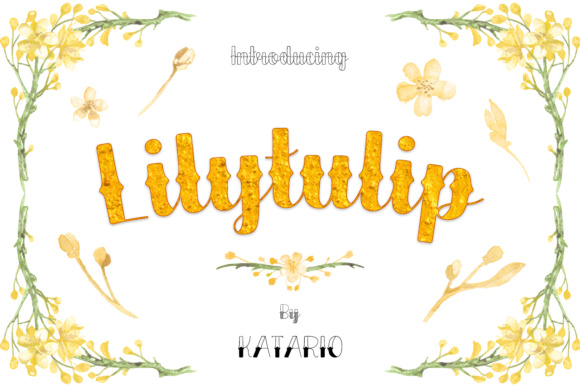
Lilytulip Script: A Guide to Vintage Elegance in Design
Finding a font that feels both nostalgic and fresh is a common challenge. You want something with personality, but it can't overwhelm your message. Lilytulip Script enters that space with a quiet confidence. It's a beautiful script font that carries a vintage charm, yet its elegant lines keep it feeling sophisticated and current. This isn't just another decorative typeface; it's a versatile tool for adding a specific, refined character to your work. Let's explore what makes this font a valuable asset and how you can use it effectively.
The Visual Character of Lilytulip Script
At its core, Lilytulip Script is a premium font with a distinct personality. It’s a script font, meaning it mimics the flow of handwriting, but it’s carefully crafted to avoid the chaos that can sometimes come with a purely handwritten font. The strokes have a subtle, uneven quality that feels human and organic, reminiscent of vintage correspondence or classic signage. The letterforms are connected with flowing ligatures, creating a smooth rhythm when you read words and phrases.
What sets it apart is its balance. It has enough decorative flair to stand out as a display font, perfect for headlines and logos, but its x-height and spacing are considered enough to maintain legibility. The vintage feel isn't from being overly ornate; it comes from the slight condensed proportions and the graceful curves that echo a bygone era of craftsmanship. Think of it as the elegant cousin of more casual script fonts—it’s dressed for a special occasion but still feels approachable.
Where Lilytulip Script Truly Shines
The real test of any creative font is its application. Lilytulip Script’s strength lies in its adaptability across different media, thanks to its blend of elegance and warmth.
Branding and Logo Design
For logo design, this font is a natural fit for businesses that want to convey heritage, craftsmanship, or boutique luxury. Imagine it for a specialty coffee roaster, a bespoke tailor, a florist, or a high-end bakery. It instantly communicates a story of care and quality. When used in a brand’s primary logo, it creates a strong, memorable brand identity. Paired with a clean sans serif font for body text, it establishes a clear visual hierarchy that feels both professional and personal.
Marketing and Digital Content
In web design and social media graphics, Lilytulip Script can be a powerful tool for engagement. Use it for pull quotes on a blog, special announcement banners, or the title of an Instagram story. It draws the eye without being aggressive. For packaging design, it can elevate the perceived value of a product, making a simple label feel artisanal. Think of wine bottle labels, candle jars, or cosmetic boxes. It transforms packaging into a piece of the product experience.
Publishing and Editorial Work
While not a body text workhorse, this font excels in editorial design. Use it for chapter openers in a book, feature article headers in a magazine, or the title of a lookbook. It adds a layer of sophistication and sets a specific tone. For wedding invitations, certificates, or event programs, its elegance is self-evident. It’s a commercial font that works beautifully in both digital and high-resolution print contexts.
Making Lilytulip Script Work for You
Adopting a new font into your toolkit is a practical decision. Here’s how to approach Lilytulip Script to get the most out of it.
1. Evaluate the Project Fit. Before choosing it, ask: Does the project need a touch of vintage elegance or handmade warmth? If you’re designing for a tech startup, a children’s brand, or a project requiring a very modern, geometric look, this might not be the right match. Its personality is strong, so it needs to align with the brand’s voice.
2. Master the Font Pairing. The key to using a strong script font is balance. Lilytulip Script pairs exceptionally well with a neutral, sturdy serif font for a classic, editorial feel (like Garamond or Baskerville). For a more contemporary contrast, combine it with a simple, geometric sans serif font (like Montserrat or Lato). The rule of thumb: let Lilytulip be the star, and use the supporting font for clarity and readability in longer text blocks.
3. Test for Readability. Always test the font at the size and on the background you plan to use. Its elegance can be lost at very small sizes or on busy, textured backgrounds. For digital use, ensure there is enough contrast. For print, a test print is invaluable. The included styles—often a regular weight and sometimes a bold or alternate version—should be reviewed to see which fits your project’s visual hierarchy best.
4. Understand the Licensing. As a commercial font, it’s crucial to review the license that comes with your purchase. Most licenses cover a specific number of users or projects. If you’re a designer creating work for a client, ensure the license covers the end use. If you’re a small business owner using it for your own brand, a standard desktop license is usually sufficient. Clarity here prevents legal headaches later.
Final Thoughts on Implementation
The true value of a font like Lilytulip Script is in its ability to communicate a feeling. It’s a design asset that does more than just display words; it sets a mood. Use it strategically. A little goes a long way. A single headline, a signature, or a highlighted word in a sea of clean text can make a powerful impact. It’s about creating moments of connection with your audience through thoughtful modern typography. When used with intention, Lilytulip Script becomes more than a font—it becomes an integral part of your visual storytelling.